Recent Posts

Showing posts with label bread machine. Show all posts

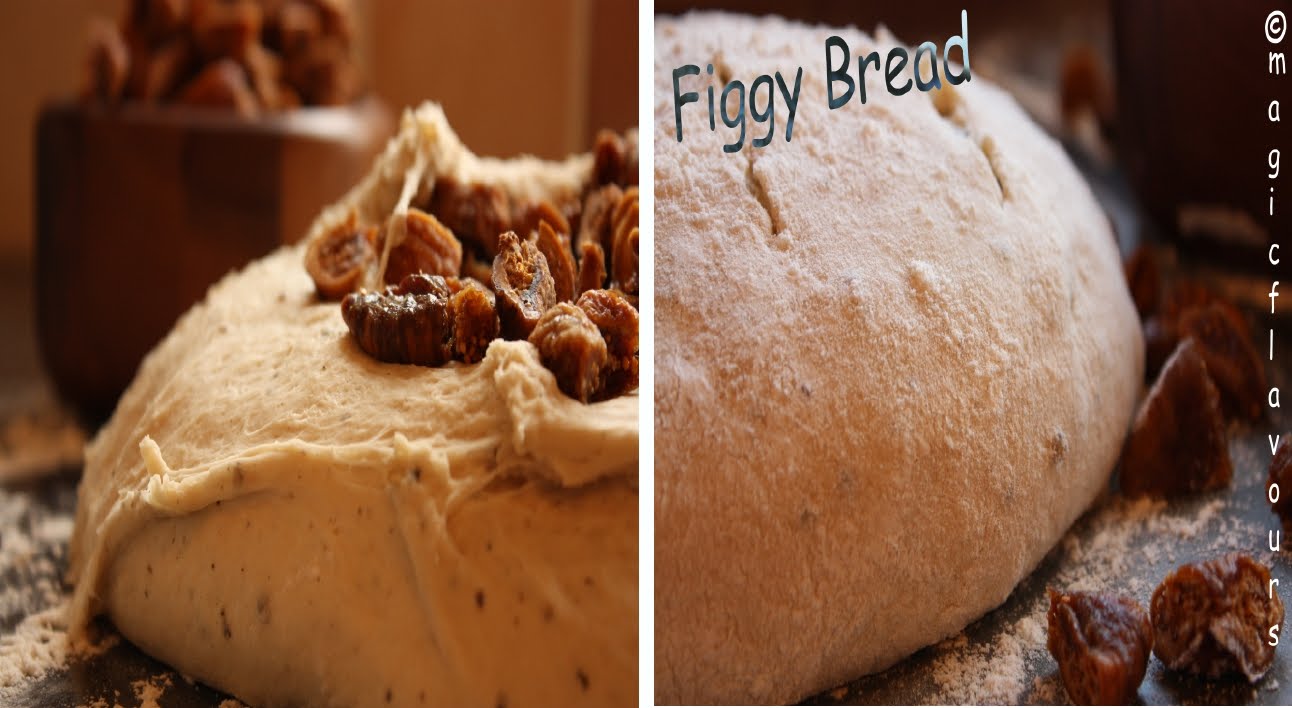
Figgy bread / Pão de figo / Pan de higos

The unusual addition of pepper gives a fiery hit and flavour to the bread and the figs go so well with cheese.
To make it much simpler, place ingredients (except the figs) in the pan of the bread machine and select dough cycle; press start. After the cycle ends, remove the dough from the pan, add the chopped figs and bake in the oven. 


Ready in 2 hours, including 45 minutes cooking
Ingredients:
650 g strong white flour
2 tsp cracked black pepper
2 tsp salt
7 g sachet easy blend yeast
2 tbsp olive oil
450 ml warm water
350 g dried, ready to eat figs, roughly chopped


1 In a large bowl, stir together the flour, pepper, salt and yeast. Stir in the olive oil and enough warm water to soft a warm dough. Turn out onto a lightly floured surface and knead for 10 mins until smooth and elastic.
2 Put the dough in a lightly oiled large bowl, cover with cling film and leave in a warm place for about 1 hour or until doubled in size. Heat oven to 200ºC/Gas 6. When the dough has risen, knead it again to incorporate the figs. Don`t overwork the dough.
3 Shape the dough into a rough oval and put on a lightly floured baking sheet. Using scissors, slash the top of the loaf and sprinkle over a little flour. Leave it to rise again, uncovered until slightly swelled about 10-15 mins. Bake for 45 minutes, then cool on a wire rack.


A adição da pimenta dá um excelente sabor a este pão e os figos fazem que este pão saiba deliciosamente com queijo. 
Adapte esta receita á MFP, coloque os ingredientes na cuba da MFP, selecionar o ciclo massa e iniciar a máquina. Quando o ciclo massa estiver concluído, remova a massa, coloque sobre uma superficie levemente enfarinhada, adicione os figos e coloque no forno. O pão que apresento na foto foi feito na MFP e ficou uma autêntica delicia.


Pronto em 2 horas, incluindo 45 minutos de cozimento
Ingredientes:
650 g de farinha branca para pão
2 c. de chá de pimenta preta, triturarada
2 c. de chá de sal
7 g de fermento de acção rápida
2 c. de sopa de azeite
450 ml de água morna
350 g figos secos, picados


1 Numa tigela, misture a farinha, pimenta, sal e o fermento, depois adicione o azeite e a água morna e faça a massa. Coloque a massa sobre uma superfície levemente enfarinhada e sove por 10 minutos.
2 Coloque a massa numa tigela untada com azeite, cubra com película aderente e deixe em lugar quente aproximadamente 1 hora. Aqueça o forno a 200ºC/Gás 6, incorpore os figos e amassar novamente.
3 Moldar a massa em forma oval, coloque-a num tabuleiro de forno levemente enfarinhado. Com uma tesoura, faça cortes na parte de cima do pão e polvilhe com um pouco mais de farinha. Deixar a massa descansar novamente por cerca de 10-15 minutos. Cozer no forno cerca de 45 minutos.


Adapta esta receta, para ser mas facil coloca todos los ingredientes (excepto los higos) en la cubeta de la panificadora y selecciona el programa de amasado que son cerca de 1 hora y media. Despues saca la masa dela cubeta, coloca la masa sobre una superficie enharinada y incorpora los higos. Hornear durante 45 minutos, despues de hecho sacarlo aun caliente y dejarlo en una rejilla 15 a 30 minutos. Ya me contaréis el resultado. Mi pan fue hecho en la panificadora.
La adición de la pimienta da un gran sabor de este pan y los higos hacen que sea delicioso con queso.


Listo en 2 horas, incluyendo 45 minutos de cocción
Ingredientes:
650 g de harina blanca para pan
2 cucharaditas de pimienta negra, triturarada
2 cucharaditas de sal
7 g de levadura de acción rápida
2 cucharadaa de aceite de oliva
450 ml de agua tibia
350 g de higos secos, picados


1 En un tazón, combine la harina, pimienta, sal y la levadura, a continuación, agregue el aceite de oliva y el agua tibia y hacer la masa. Coloque la masa sobre una superficie ligeramente enharinada y amase durante 10 minutos.
2 Coloque la masa en un tazón engrasado, cubra con papel film y dejar reposar en lugar cálido cerca de 1 hora. Precaliente el horno a 200ºC/Gas 6, incorporar los higos y amasar otra vez.
3 Dar una forma ovalada al pan, colocar en una bandeja de horno ligeramente enharinada. Con unas tijeras, hacer cortes en la parte superior del pan y espolvorear con un poco más de harina. Deje descansar la masa de nuevo durante unos 10-15 minutos. Hornear durante unos 45 minutos.


Print / Imprimir receita / Imprimir receta

Orange Jam / Doce de laranja / Mermelada de naranja


Recipe source:Risonha
Ingredients
400 g oranges
200 g of jam sugar which has added pectin
1 ½ tsp grounded cinnamon

1 Cut the oranges into small pieces, no need to peel them.
2 Place all ingredients into the bread machine pan and select the option "jam".
3 At the end of the program and if desired blend the jam, cool it and store it into sterilized jars.


Fonte:Risonha
Ingredientes
400 g de laranjas
200 g de açucar com pectina
1½ c.de chá de canela em pó

1 Cortar as laranjas em pedaços pequenos, não há necessidade de descascá-las.
2 Colocar os ingredientes todos na cuba da MFP e seleccionar o programa "Compotas e doces de fruta".
3 No final do programa se desejar,passe o doce com a varinha mágica para ficar homogéneo, deixe arrefecer e coloque em frascos esterilizados.


Fuente:Risonha
Ingredientes
400 g de naranjas
200 g de azúcar con pectina
1 ½ cucharaditas de canela en polvo

1 Corte las naranjas en trozos pequeños, sin necesidad de pelarlas.
2 Coloque todos los ingredientes en la cubeta de la máquina de pan, programe la máquina para hacer mermelada.
3 Al final del programa y si lo desea, coloque la mermelada en un robot de cocina eléctrico y triturar todo muy bien. Dejar enfriar y poner en botes esterilizados.


Print / Imprimir receita

Pissaladière

The name pissaladière comes from pissalat, the Provençal word for a purée of anchovies, not from the Italian word pizza, although the recipe is said to have travelled to Provence from Italy. Nowadays the dough may be thick and soft like I did it in my recipe but some people prefer it thin and crispy, but its always topped with onions, anchovies and olives.
If you wish to be a bit more flavoursome add some thyme and garlic.


Serves 6
To make the dough
100 ml lukewarm water
1 egg
225 g white bread flour
1 tsp salt
25 g butter
1 tsp easy-blend yeast

For the filling
4 tbsp olive oil
575 g onions, thinly sliced
1 tbsp Dijon mustard
4 tomatoes, sliced
2 tsp chopped basil
12 drained canned anchovies
salt and freshly ground black pepper

1 Pour the water and egg into the machine pan.
2 Sprinkle over the white flour. Add the salt in one corner of the pan. Make a small indent in the centre of the flour and add the dried yeast.
3 Set the machine to the dough setting. Then lightly oil a 27 x 20 cm roll tin pan.
4 Make the filling. Heat the oil in a large frying pan and cook the onions over a low heat for about 20 minutes, until very soft. Set aside to cool.
5 When the dough cycle has finished, remove the dough from the machine and place it on a lightly floured surface. Knock it back (punch it down) gently, then roll out to a rectangle. Place in the prepared tin and press outwards and upwards, so that the dough covers the base and sides.
6 Spread the mustard over the dough. Arrange the tomato slices on top. Season the onions with salt and pepper and basil an spread the mixture over the tomatoes.
7 Arrange the anchovies in a lattice and dot with the olives. Preheat the oven to 200ºC/Gas 6 and bake the pissaladière for 25 minutes or until the base is cooked and golden around the edges. Serve hot or warm.


Pissaladière é uma espécie de pizza francesa oriunda da região de Provença. O nome vem da palavra "pissalat" que significa pasta de anchovas, típica daquela região. Se desejar dar-lhe um toque diferente junte um pouco de tomilho e alho. Fica uma delícia...!

Para 6 pessoas
Para fazer a massa
100 ml de água morna
1 ovo
225 grs de farinha de trigo
1 colher de chá de sal
25 grs de manteiga
1 colher de chá de fermento

Para o recheio
4 colheres de sopa de azeite de oliva
575 grs cebolas, cortadas finamente
1 colher de sopa de mostarda de Dijon
4 tomates, cortados ás rodelas
2 colheres de chá de alfavaca (manjericão)
12 anchovas de latinha, escorra o azeite
sal e pimenta preta recém moída

1 Verter a água e o ovo na cuba da máquina de pão.
2 Juntar a farinha e adicionar o sal e o fermento.
3 Programe a máquina para a fazer massas. Depois unte um tabuleiro para ir ao forno com óleo.
4 Faça o recheio, aqueça o azeite numa frigideira grande e aloure a cebola em lume brando cerca de 20 minutos. Retire do lume e deixe arrefecer.
5 Quando o ciclo da massa estiver terminado, retire a massa da cuba e estenda-a numa superfície polvilhada com farinha. Coloque a massa no tabuleiro untado.
6 Espalhe a mostarda sobre a massa e coloque as rodelas de tomate por cima. Tempere a cebola com sal e pimenta e espalhe o manjericão por cima.
7 Por fim decore com as anchovas e as azeitonas. Pre-aquecer o forno a 200 º C / Gás 6 e coloque a pissaladière no forno durante 25 minutos ou até que a base fique dourada. Sirva quente.


Pissaladière es una especie de pizza que procede de la región francesa de Provenza. El nombre viene de la palabra "pissalat" paté de anchoas, típicas de esa región. Si quiere darle un toque diferente añada un poco de tomillo y ajo. Queda una delicia ...!

Rinde6 porciones
Para hacer la masa
100 ml de agua tibia
1 huevo
225 g de harina de trigo
1 cucharadita de sal
25 g de mantequilla
1 cucharadita de levadura

Para el relleno
4 cucharadas de aceite de oliva
575 g de cebollas, cortadas en rebanaditas
1 cucharada de mostaza de Dijon
4 tomates, cortados en rebanadas
2 cucharadas de albahaca
12 anchoas en aceite de oliva
sal y pimienta

1 Vierta el agua y el huevo en la cubeta de la máquina.
2 Agregue la harina y añadir la sal y la levadura.
3 Programe la máquina para hacer pasta. Después unte una fuente para ir al horno con aceite.
4 Haga el relleno, calentar el aceite en una sartén grande y sofreír la cebolla durante unos 20 minutos. Retirar del fuego y dejar enfriar.
5 Cuando el ciclo de masa termine, retire la masa de la cubeta y extenda con un rulo en forma de rectángulo. Coloque la masa en la fuente para ir al horno.
6 Barrar la masa con la mostaza y colocar las rodajas de tomate por arriba. Sazonar la cebolla con sal y pimienta y espolvorear com la albahaca.
7 Por último decorar con las anchoas y las aceitunas. Precalentar el horno a 200 º C / gas 6 y hornear la pissaladière durante 25 minutos o hasta que la base quede doradita. Servir bien caliente.


Print / Imprimir receita / Imprimir receta

Mango & Banana Bread / Pão de Manga & Banana / Pan de Mango & Plátano

Tropical fruit juice, fresh banana and dried mango give this light-textured loaf its Caribbean flavour.


To make a large loaf
60 ml orange and mango juice
260 ml butter milk
2 medium bananas, peeled and mashed
4 tbsp clear honey
675 g white bread flour
1½ tsp salt
50 g butter
1½ tsp easy-dried yeast
50 g dried mango, chopped

1 Pour the fruit juice and buttermilk into the bread machine pan. Add the mashed banana(s) to the bread with the honey.
2 Sprinkle over the flour, place the salt and butter in separate corners of the bread pan. Make a shallow indent in the centre of the flour and the yeast.
3 Set the bread machine to the basic/normal setting, medium crust. Press Start
4 Add the chopped mango pieces when the machine beeps to add extra ingredients.
5 Remove the bread from the pan at the end of the baking cycle and turn out on to a wire rack to cool.


Sumo de fruta tropical, bananas e manga dá o sabor das Caraíbas a este maravilhoso pão. A casa encheu-se de um aroma maravilhoso e eu estava super anciosa por comer uma fatia e exprimentar. Só tem um pequeno senão, desapareceu num instante.

Para fazer 1 pão grande
60 ml de sumo de laranja e manga
260 ml de leite de manteiga (leitelho)
2 bananas médias, descascados e esmagados
4 colheres de sopa de mel
675 grs de farinha de trigo para pão
1 ½ colheres de chá de sal
50 grs manteiga
1½ c. de chá de levedura
50 grs manga cristalizada, cortada aos bocadinhos

1 Verter o sumo de frutas e de leitelho na cuba da máquina de pão. Adicione o puré banana(s) e o mel.
2 Colocar a farinha, o sal e manteiga em cantinhos distintos da cuba. Faça uma covinha no centro da farinha e coloque o fermento.
3 Programe a máquina para básico /normal, codêa média.
4 Adicione a manga cortada aos bocadinhos somente quando a máquina emitir o sinal sonoro para adicionar extra ingredientes.
5 Remova o pão no final do ciclo de cozedura e deixe arrefecer.


Zumo tropical de fruta, plátano y mango da el sabor del Caribe a este maravilloso pan. La casa se lleno de un maravilloso aroma y yo estaba deseando comer un trozito de pan para exprimentar. Este pan sólo tiene un pequeño defecto, desapare en un instante.

Para hacer 1 pan grande
60 ml de zumo de naranja y mango
260 ml de suero de mantequilla
2 plátanos medianos, pelados y triturados
4 cucharadas de miel
675 grs de harina de trigo para pan
1 ½ cucharaditas de sal
50 gr de mantequilla
1 ½ cucaharaditas de levadura
50 gr de mango seco, cortado en trozitos

1 Vierta el zumo de fruta y el suero de mantequilla en la cubeta de la máquina de pan. Añadir el puré de plátano(s) y la miel.
2 Coloque la harina, la sal y la mantequilla en esquinitas separadas de la cubeta. Colocar la
levadura.
3 Programe la máquina.
4 Agregar el mango cortado en trozitos, sólamente cuando la máquina envíe la señal acústica para agregar extra ingredientes.
5 Retire el pan al final del ciclo y deje enfriar.


Print / Imprimir receita< / Imprimir receta

Carrot bread/ Pão de cenoura / Pan de zanahoria

The distinctive flavour of fennel is the perfect foil for the more subtle carrot taste in this unusual bread. It looks pretty when sliced, thanks to the attractive orange flecks of carrot.


Makes 1 large loaf
285 ml cups lukewarm water
3 tbsp sunflower oil
1 tbsp clear honey
250 g grated carrot
675 g white bread flour
3 tbsp skimmed milk powder
2 tsp fennel seeds
2 tsp salt
1½ tsp dried yeast

1 Pour the water, oil and honey into the bread machine pan. Sprinkle over the grated carrot.
2 Sprinkle over the flour, ensuring that it covers the water. Add the milk powder an fennel seeds. Add the salt in one corner of the bread pan. Make a small indent in the centre of the flour and add the yeast.
3 Set the machine to the basic/normal setting, medium crust. Press Start.
4 Remove at the end of the baking cycle and turn out on to cool.

 
Este pão liberta um maravilhoso sabor a erva doce e juntamente com as cenoura dá-lhe um toque extremamente fora do vulgar. As fatias são extremamente bonitas devido aos pontinhos e manchinhas que a cenoura faz no pão.

Para fazer 1 pão grande
285 ml de água morna
3 colheres de sopa de óleo de girassol
1 colher de sopa de mel
250 grs de cenoura ralada
675 grs de farinha de trigo para fazer pão
3 colheres de sopa de leite em pó
2 colheres de sobremesa de erva doce em grão
2 colheres de sobremesa de sal
1 ½ colheres de sobremesa de fermento em pó

1 Coloque a água, o óleo e o mel na cuba da máquina. A seguir coloque a cenoura, depois a farinha.
2 Junte o leite em pó, a erva doce e o sal. No meio da farinha faça um buraquinho e coloque o fermento em pó.
3 Programe a máquina para básico/normal, codêa média.
4 Ao final do ciclo de cozedura retire o pão da cuba e deixe arrefecer.


Este pan libera un maravilloso sabor dulce á hinojo y junto con la zanahoria le da un toque muy exclusivo. Las rebanadas de este pan estan llenas de puntitos de color naranja.

Para hacer un pan grande
285 ml de agua templada
3 cucharadas de aceite de girasol
1 cucharada de miel
250 gr de zanahoria rallada
675 gr de harina blanca para pan
3 cucharadas de leche desnatada en polvo
2 cucharaditas de semillas de hinojo
2 cucharaditas de sal
1 ½ cucharadita de levadura para pan

1 Vierta el agua, aceite y miel en la cubeta, despues añadir la zanahoria rallada y la harina.
2 Añadir la leche en polvo, las semillas de hinojo y la sal. Haga un pequeño agujero en el centro de la harina y añadir la levadura.
3 Programar la máquina de pan. Espero que os guste .


Print / Imprimir receita / Imprimir receta

Anadama bread / Pão de Anadama

The anecdote behind this bread is so good that is worth while telling about. The bread dates back from colonial times. The story goes that an irritable New England woods-man had a wife by the name of Anna, who fed him nothing but corn meal and molasses mush for supper. One evening, having had more than he could take, he grabbed some flour and yeast off the shelf, mixed it into the mush and put it in the oven to bake muttering "Anna, damn her" over and over again. Thus the name "anadama" came about.
This traditional New England bread is made a mixture of white and wholemeal flours and polenta, which is a coarse corn meal. The molasses sweetens the bread and gives it a rich colour.

To make a large loaf
280 ml lukewarm water
5 tbsp molasses
2 tsp lemon juice
500 g white bread flour
90 g wholemeal bread flour
75 g polenta
2 tsp salt
50 g butter
2 tsp easy-blend (rapid-rise) dried yeast

1 Pour the water, molasses and lemon juice into the bread machine pan.
2 Sprinkle over both types of flour, then the polenta, so that the water is completely covered. Add the salt and butter in separate corners of the bread pan. Make a small indent in the centre of the flour and add the yeast.
3 Set the machine to basic/normal setting, medium crust. Press Start.
4 Remove the bread at the end of the baking cycle and turn out on to a wire rack to cool.


O pão de Anadama é tradicional da Nova Inglaterra e é feito com a mistura de farinha de trigo, farinha integral e farinha de milho (polenta). O melaço vai adoçar e fazer com a codêa deste pão fique bem douradinha.

Para fazer um pão grande
280 ml de água morna
5 colheres de sopa de melaço
2 colheres de chá de sumo de limão
500 grs de farinha de trigo
90 grs de farinha integral
75 grs de farinha de milho
2 colheres de chá de sal
50 grs de manteiga
2 colheres de chá de fermento em pó

1 Coloque a água na cuba da máquina juntamente com o melaço e o sumo de limão.
2 A seguir adicione a farinha de trigo a integral e a de milho. Adicione o sal e a manteiga em cantinhos separados, no meio coloque o fermento.
3 Programe a máquina para básico/normal, codêa média.
4 Ao final de ciclo de cozedura retire o pão da cuba e deixe arrefeçer.


Print / Imprimir receita

Milk Loaf / Pão de Leite

Adding milk results in a soft, velvety grained loaf with a beautiful browned crust. Milk also improves the keeping quality of the bread.
The milk used in this bread should be at room temperature otherwise it will retard the action of the yeast and the bread will not rise properly. Remove the milk from the refrigerator 30 minutes before using. You can use full-cream (whole) or semi-skimmed.


Makes 1 large loaf
280 ml milk
130 ml lukewarm water
675 g white bread flour
2 tsp salt
1 tbsp granulated sugar
2 tbsp butter
1 and half easy-blend dried yeast

1 Pour the milk and water into the bread machine pan.
2 Sprinkle over the flour, ensuring that it covers the water. Add the salt, sugar and butter in separate corners of the bread pan. Make a small indent in the centre of the flour and add the yeast.
3 Set the bread machine to the basic/normal setting, medium crust. Press Start.
4 Remove the bread at the end of the baking cycle and turn out on to a wire rack to cool.


O leite faz com que o pão fique com uma textura bastante macia e aveludada e a côdea estaladiça.
O leite desta receita tem que ser usado á temperatura ambiente para actuar devidamente com o fermento, retire o leite do frigorifico uma meia hora antes de o utilizar. Pode utilizar leite gordo ou meio gordo.

Para fazer um pão grande
280 ml de leite
130 ml de água morna
675 grs de farinha de trigo
2 colheres de chá de sal
1 colher de sopa de açucar refinado
2 colheres de sopa de manteiga
1 colher e meia de chá de fermento seco

1 Coloque primeiramente na cuba da máquina o leite e a água.
2 A seguir a farinha de maneira a cubrir os liquidos, adicione o sal, o açucar e a manteiga em cantinhos separados, faça uma covinha no meio e coloque o fermento.
3 Programe a máquina para básico/ normal, côdea média.
4 Ao final do ciclo de cozedura retire o pão e deixe arrefecer.


Print / Imprimir receita

Rice Bread / Pão de Arroz

Rice is an unusual ingredient, but makes delicious bread that is moist, flavoursome and with an interesting texture. The perfect vehicle for leftover cooked rice, it tastes so good that it`s worth cooking some especially.
Make sure the rice is cold before using it in this bread. It is important to drain it very well, or the bread dough may become too moist. Watch the dough as it mixes and add a little more flour if necessary.


To make one large loaf
280 ml lukewarm water
1 egg
575 g cups white bread flour
200 g cooked long grain white rice, well drained
2 tsp salt
1 tbsp granulated sugar
1 and half tbsp butter
2 tsp easy-blend (rapid-rise) dried yeast

1 Pour the water into the bread machine pan, then add the egg. There is no need to beat the egg before you add it as the machine will mix all of the ingredients together thoroughly. If the instructions for your bread machine specify that the yeast is to be placed in the pan first, simply reverse the order in which you add the liquid and dry ingredients.
2 Sprinkle over the flour, ensuring that it covers the water. Add the rice and milk powder. Add the salt, sugar and butter in separate corners of the bread pan. Make a small indent in the centre of the flour and add the yeast.
3 Set the bread machine to the basic/normal setting, medium crust. Press Start.
4 Remove the bread at the end of the baking cycle and turn out on to a wire rack to cool.


O arroz, é um ingrediente muito incomum para fazer pão. Mas o resultado final é delicioso e a textura é bastante interessante. Uma óptima ideia para utilizar arroz branco que sobrou de uma refeição anterior. Quando for fazer o pão, o arroz tem que estar completamente frio e escorrido para que a massa não fique demasiada águada. Não é necessário bater o ovo, parta a casca e adicione aos ingredientes. Se as intruções da sua máquina de pão fazer pão especificamente diz que tem de colocar a levadura primeiramente na cuba, reverta a ordem da coloação da água e dos restantes ingredientes desta receita.

Para fazer um pão grande
280 ml de água morna
1 ovo
575 grs de farinha branca para pão
200 grs de arroz branco cozido, escorrido
2 colheres de sopa de leite em pó
2 colheres de chá de sal
1 colher de sopa de açucar granulado
1 colher e meia de sopa de manteiga
2 colheres de chá de fermento (levadura) em pó

1 Coloque a água dentro da cuba da máquina e a seguir adicione o ovo.
2 A seguir coloque a farinha de maneira que cubra a água. Adicione o arroz e o leite em pó. Depois coloque o sal, o açucar e a manteiga em cantinhos separados. No meio faça uma covinha e coloque a levadura.
3 Regule a máquina para o grau de cozedura básico/normal, côdea média e ligue o programa, carregue "Start".
4 No final da cozedura, retire o pão da cuba e está pronto a servir.


Print / Imprimir receita